
Wires and Whiskers
Game Designer / Combat Designer
2024-2025
Hack’n Slash / Puzzle-Platformer
Unreal Engine 5
Trailer
Play as a lab mouse and a robot, both equipped with magnetic abilities, and escape by pulling, launching, and fighting your way through enemies!
Wires and Whiskers is a co-op game for two players, offering an accessible 15-minute gameplay sequence, in the spirit of It Takes Two. The game alternates between two distinct gameplay phases, each with its own dedicated camera system. This project is also my graduation project, developed by a team of 12 people.
Combat features dynamic and intense encounters. The focus is on cooperative play, requiring synchronized actions and fostering player interdependence. It uses a Top-Down camera, offering clear visibility of the action. This gameplay phase is inspired by the Fire and Ice level from It Takes Two.
Navigation offers smooth transitions through short, simple challenges that highlight cooperation via the Launch and Recall mechanics. This phase uses a 2.5D camera, creating calmer moments between fights. It draws inspiration from the Little Nightmares series.
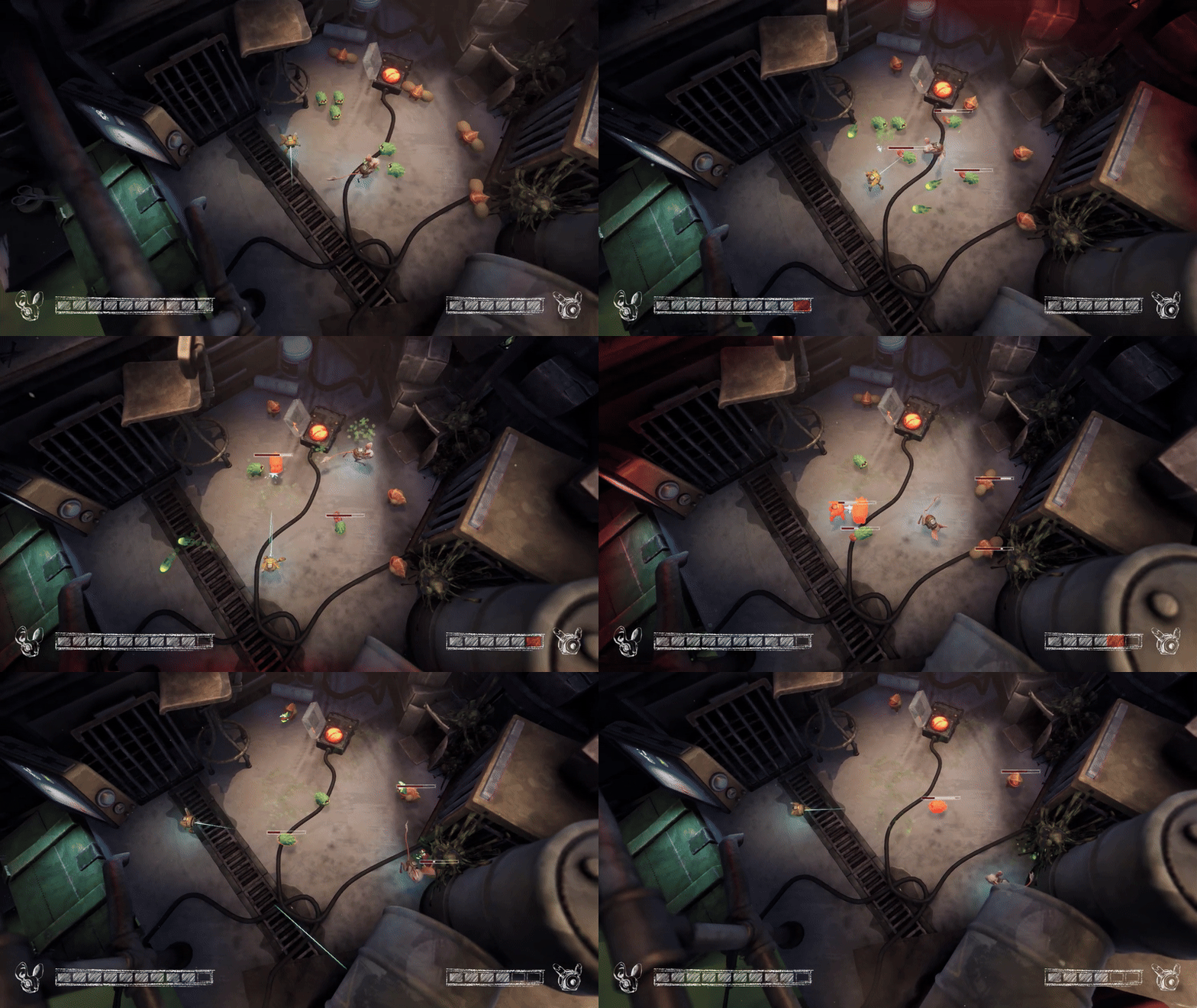
Top Down - Combat
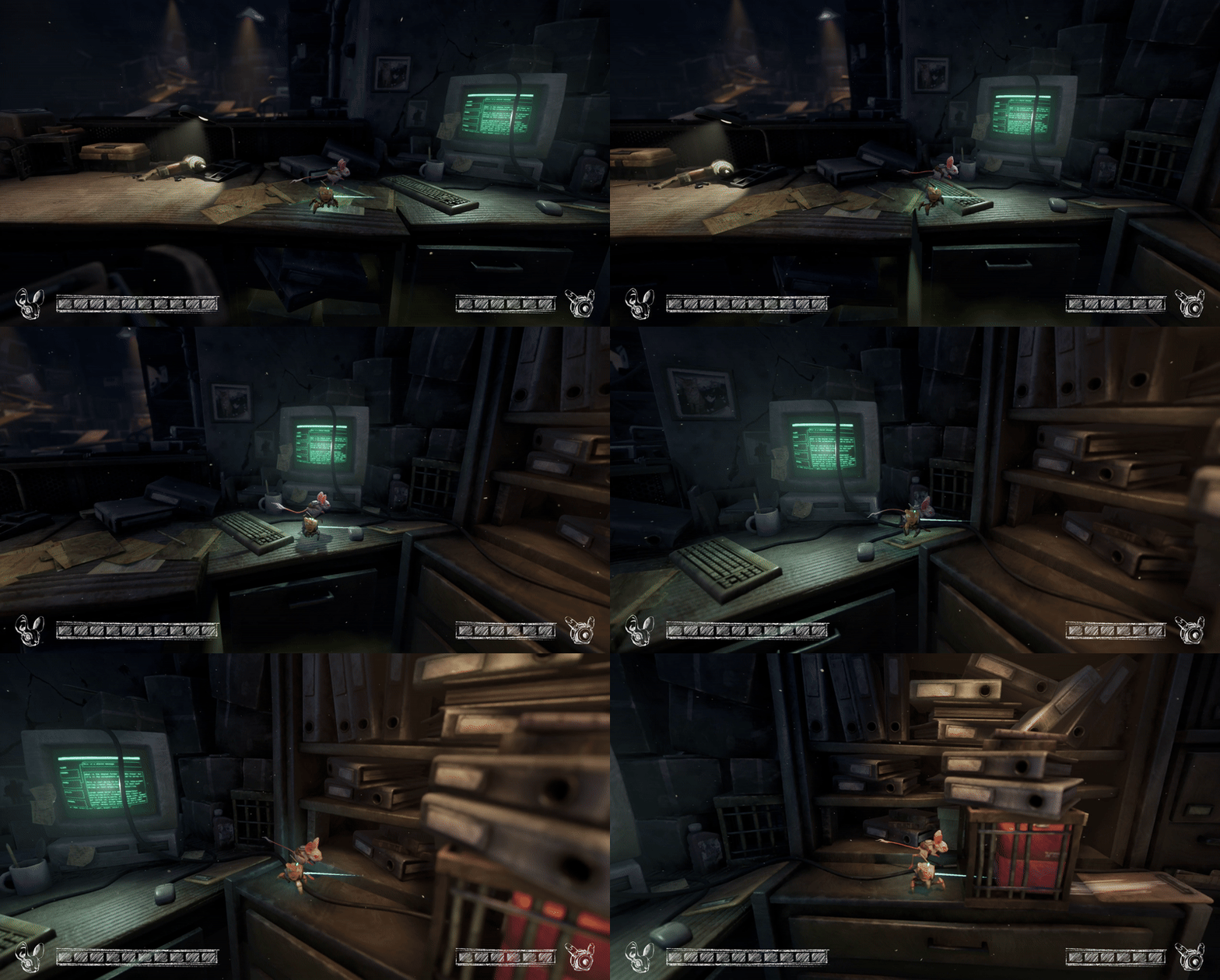
2.5D - Navigation / Puzzle
3C
On this project, I was in charge of the 3Cs (Character, Controls, Camera). Our goal was to ensure intuitive and easy-to-learn controls to make the game accessible, as its short playtime and cooperative gameplay made learning more difficult. Players control asymmetrical characters, which creates interdependence and naturally fosters cooperation.
-
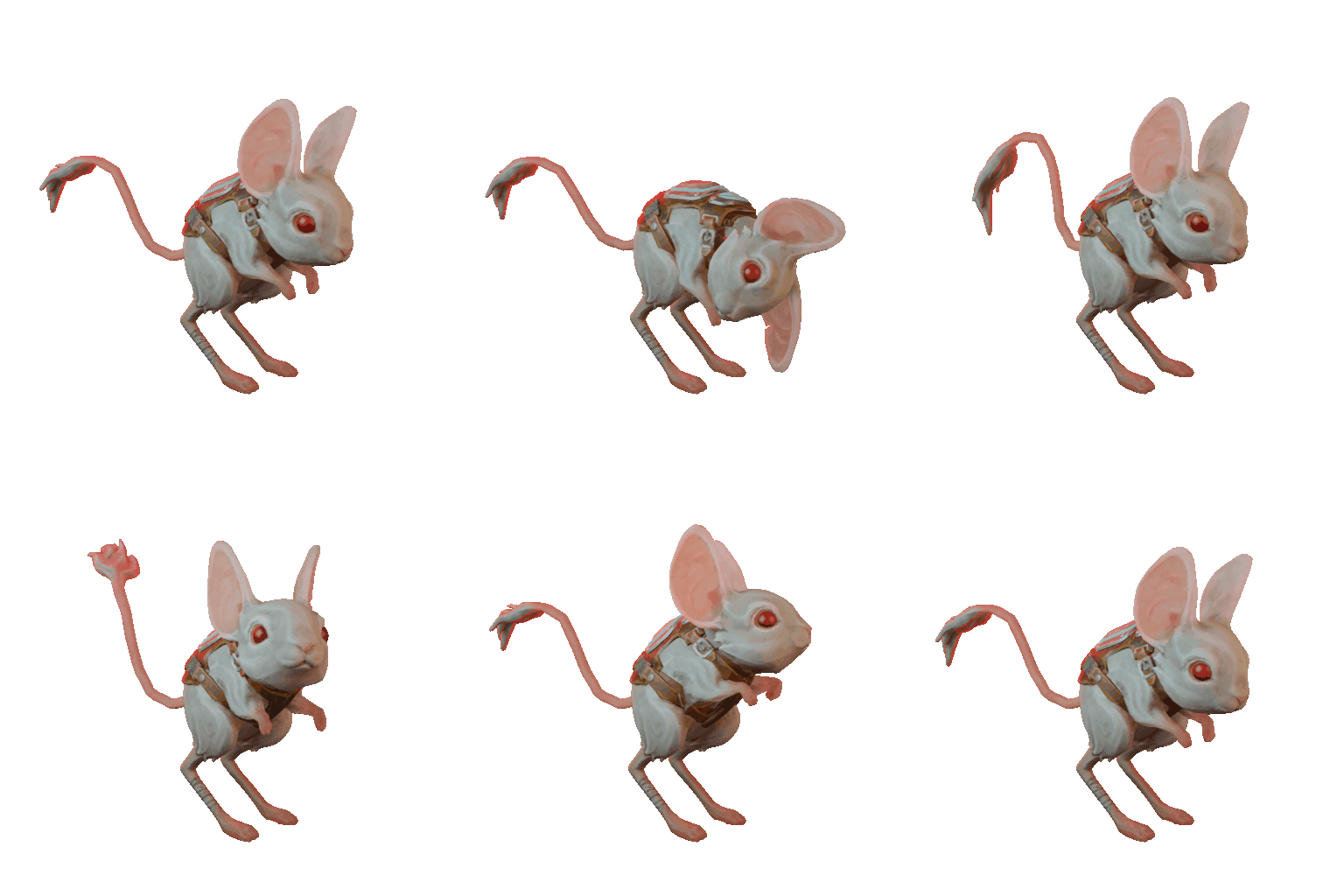
The mouse is highly mobile and deals area melee damage.
-
She has a dash ability for mobility.
-
She is more durable than the robot.
-
She has access to the Recall ability.
-
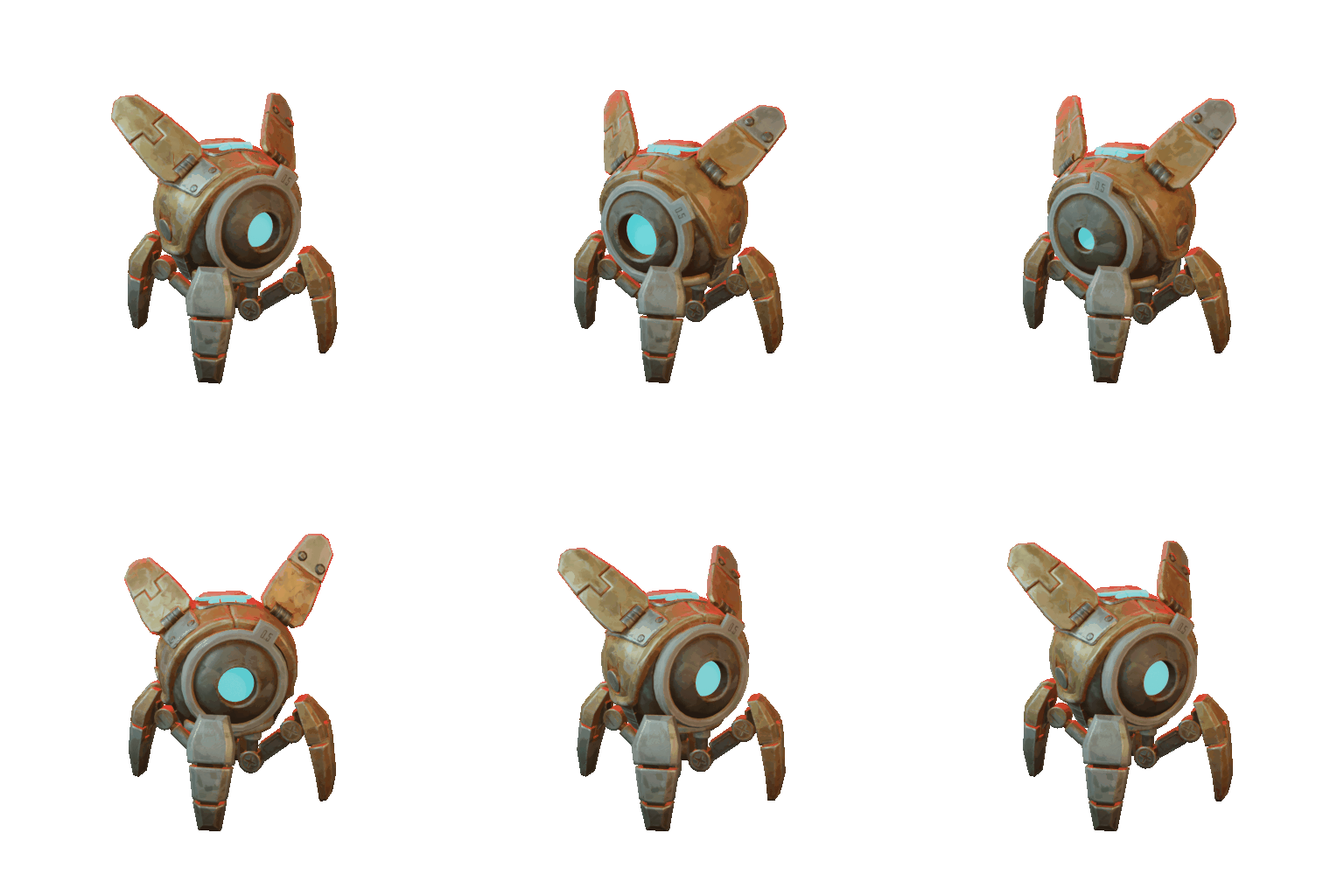
The robot keeps its distance and rapidly shoots at enemies.
-
It has a dash ability for mobility.
-
It is more fragile than the mouse.
-
It has access to the Launch ability.

Projection/Recall - Example
The robot can launch the mouse in a chosen direction. While airborne, the mouse can perform a slam attack that brings her back to the ground, dealing area damage on impact. The mouse can also recall the robot to her. During the recall, the robot damages all enemies it passes through.
Camera System
Wires and Whiskers features two camera types, each tailored to the combat and platforming gameplay. Players share a single camera — there is no split-screen. When a player approaches the edge of the camera's view, it gradually zooms out until reaching a limit, beyond which the player is blocked.
The 2.5D camera used during platforming phases is inspired by the one in Little Nightmares, but adapted for cooperative gameplay. It follows a spline, allowing for impressive and cinematic camera movements.
The top-down camera used during combat phases is more flexible, as it doesn’t follow a spline. In addition to tracking player positions, the camera uses three distinct zones to adjust its behavior.

Camera Zones - Top Down
-
When players are in the green zone, the camera simply follows the characters.
-
When a player enters the blue zone, the camera gradually zooms out.
-
When a player is in the red zone, the camera shifts its focus downward to give more visibility to the player located at the bottom. We made this choice because we noticed that the player at the top of the screen had better visibility thanks to the camera’s depth. The camera isn’t positioned at a perfect 90° angle to the ground but is slightly tilted.
Combat
Combat in Wires and Whiskers is designed to be accessible, fitting within a 15-minute gameplay segment. The fights are not very demanding, focusing instead on juiciness and surprises throughout the progression. The goal is to create memorable moments rather than a tough challenge. To support this, an aim assist system was added for players (inspired by Genshin Impact and Zenless Zone Zero), making it easier to hit enemies. We didn’t want landing attacks to be a challenge in itself.
Combat takes place in two types of zones:
-
Corridors, which are more linear, where players encounter enemies they must clear to proceed.
-
Arenas, which are more open and require players to perform certain actions to progress.
The enemies players face aren’t dangerous individually, but the challenge arises from combining them with each other and with different Level Design Objects (LDOs).

Melee

Ranger

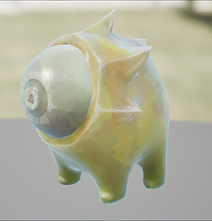
Explosive
Sniper
UX
On this project, I was also responsible for the UX aspect. I worked closely with second-year student teams who playtested the game and provided feedback. I personally conducted playtests as well to validate certain decisions and improve the project.
For the tutorials, I created short videos demonstrating specific actions along with their corresponding inputs. These videos were integrated in-game in an intradiegetic way, displayed on screens visible to players right at the moment of the challenge.
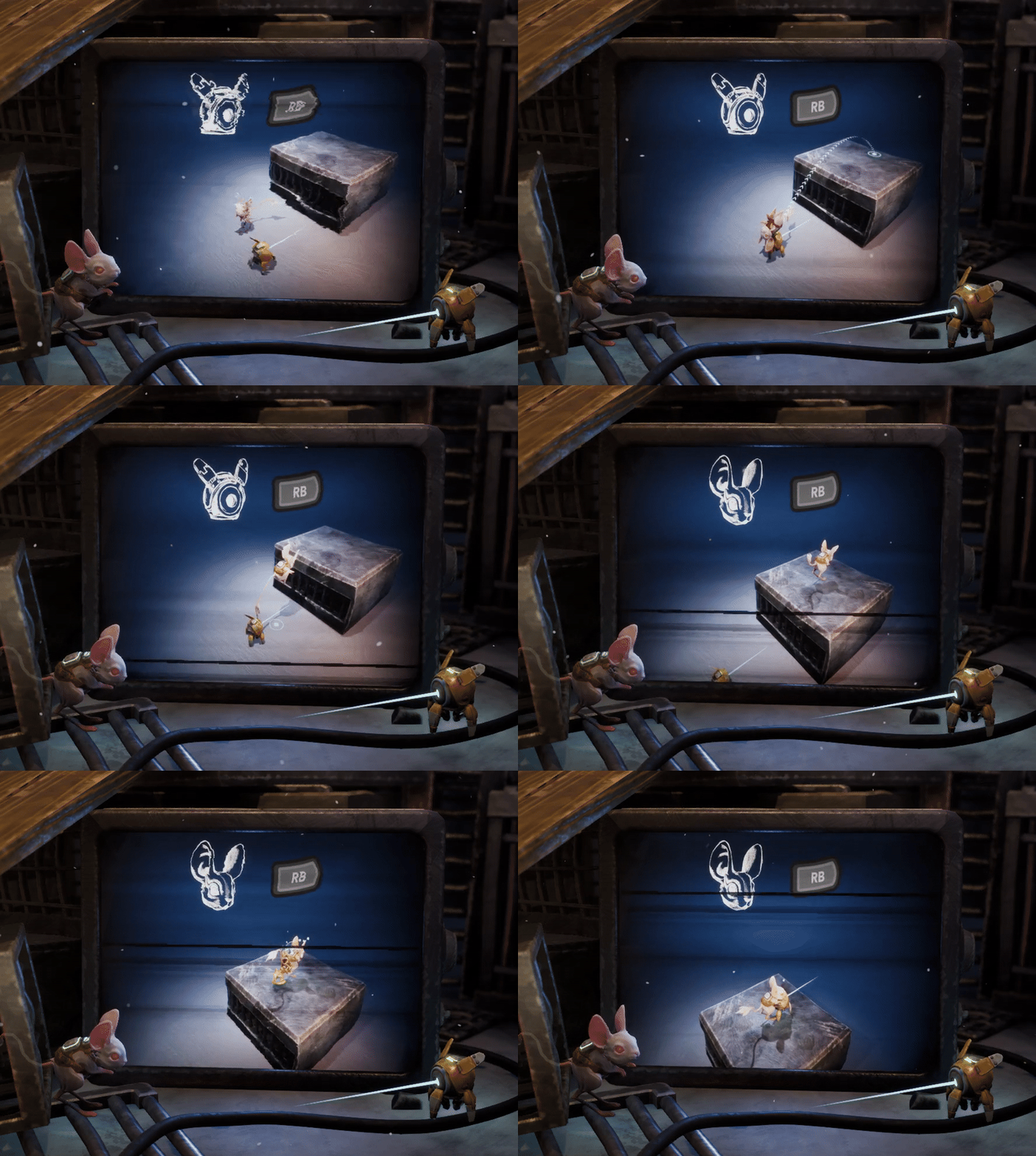
Tutorial - Attack
Playtest Questionnaire Pre-Test Questions: Getting to Know the Player Do you play a lot of games? What game genres do you usually play? What type of player would you say you are? What do you enjoy most about games? In-Test Questions: Missions / Observations How easy was it to understand the controls? Were you able to complete the navigation challenges? Were you able to complete the combat encounters? What does this information (from the game) mean to you? Post-Test Questions General Feelings: What do you think about the game’s universe? What do you think your objective was? Which elements helped you understand your objective? What did you think about having two different gameplay phases (combat/navigation)? How would you split the time spent between combat and navigation? (e.g., 50/50) Which game would you compare Wires and Whiskers to? Controls & Difficulty: On a scale from 1 to 5, how would you rate the game’s difficulty? How did you find the game controls? Did you encounter any frustrations? (If yes, what were they and how intense?) Combat Phases: What is your overall feeling about the combat phases? On a scale from 1 to 5, how would you rate the intensity/dynamism of the combat? What do you think about cooperation during combat? Do you find it necessary? What did you think about the differences between your characters? Navigation Phases: What is your overall feeling about the navigation phases? On a scale from 1 to 5, how would you rate the difficulty of understanding the navigation challenges? On a scale from 1 to 5, how would you rate the difficulty of completing these challenges? What do you think about cooperation during navigation? Do you find it necessary? Level Design: What did you think about the navigation overall? What did you think about the placement of elements in the world? What did you think about the level lengths? Story Understanding: What did you understand about the story? How did you come to that understanding? What did you think about the ending?
GAME DESIGNERS :
Victor Birlian
Paul Guehl
Yohann Blanchard
Raphaël Daubelcour
Rémi Trotereau
Charles Defoy
ARTISTES :
Jeanne Duprez
Marie Gouin
Anaïs Garzend
Tristan Rouillon-Leperd
SOUND DESIGNERS :
Adrien Jolly
Mel Jost